

Midlife career change, without blowing up your life.
You're in your 40s or 50s. You've built a solid career, and it no longer fits. Work out what has really changed and what you want next, then build a realistic plan that protects your income and the people who rely on you.
Book a free call 20 minutes · phone or Zoom · online, Australia-wideSigns it's more than a bad year at work.
- “I'm good at my job. I just don't want to do it for another 20 years.”
- “I can't afford a pay cut, so I keep putting it off.”
- “Is this a midlife crisis, or do I genuinely need a change?”
- “I'm tired in a way a holiday doesn't fix.”
A career change at 40 or 50 isn't the same as one at 25. You have more experience, more responsibility and more to lose. You also have more to bring: judgement, networks, and a much clearer sense of what you won't put up with any more.
It isn't too late. But it does need a plan, not a leap.
Three things most career advice ignores.
Identity
After 20 years, your title is part of who you are. Changing direction means separating your worth from your job description first.
Money
Mortgages, school fees, super. A real plan maps your obligations, transition costs and a realistic timeline, so you're not choosing between meaning and security.
Energy
Midlife burnout is common. You need the capacity to make a big decision well, not just the desire to escape.
The Quiet Shift: a nine-week career transition program
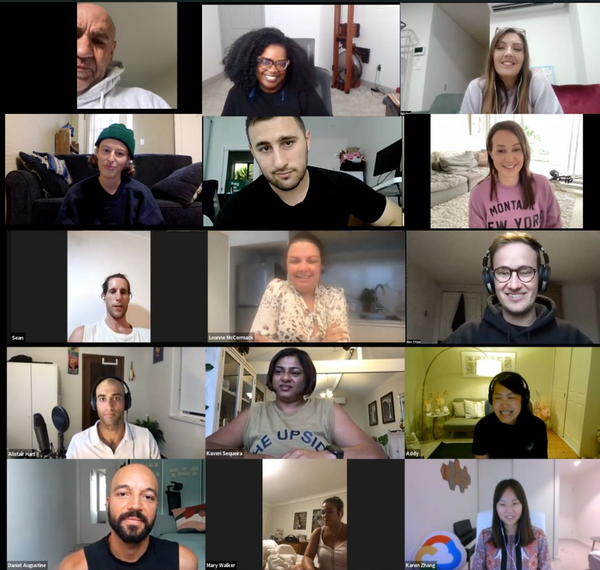
Twenty short lessons and practical workbooks, with live group coaching from Alistair. You work through what's changing, what matters now and which pathways are realistic: staying and renegotiating, retraining, building something alongside your job, or leaving.
- Separate a passing reaction from a real shift
- Compare realistic options, finances included
- Leave with a pathway to test and a first-stage plan
Midlife career change: common questions
Is it too late to change careers at 40 or 50?
No. Many people make their most meaningful career change in their 40s and 50s. The difference is how you do it: with a clear picture of what you want, what it will cost and a staged plan, rather than a sudden leap.
How do I change careers without taking a big pay cut?
Start by mapping your real income needs and transition costs. Then look at options that use your existing experience: a related role, consulting, a staged move, or building something alongside your job. The Quiet Shift includes a combined pathway workbook for exactly this.
Is this a midlife crisis or a genuine need for change?
Often both start the same way: restlessness, boredom or burnout. The first weeks of the program help you tell the difference between wanting to escape and wanting to move towards something real.
Do I need to go back to university?
Not necessarily. Some pathways need retraining; many don't. You'll compare options side by side before committing time or money to study.
Is the coaching online?
Yes. Live group calls and lessons are online, so you can join from anywhere in Australia or overseas.
Start with a free conversation.
A relaxed 20-minute call about where you are and what's changing. If The Quiet Shift is the right fit, we'll talk about next steps. If not, you'll still leave clearer.